Hailey Dawood in International Business Times: What AI Means for the Future of Human Gatherings
Read More


Food and beverage, service style, and travel-inspired hospitality concepts are the fourth major force shaping corporate event entertainment in 2026. The through-line is interactivity: static buffets and plated dinners are giving way to experiential food stations, surprise-and-delight moments, and hospitality touches borrowed from the world's best restaurants and hotels. When Technomic's 2025 Foodservice Report found that 67% of consumers under 45 say they choose restaurants based on the "experience" rather than just the food, it confirmed what corporate event planners already knew. How food is presented and served matters as much as what is on the plate. At The Idea Hunter, we call this convergence "foodertainment," and it is one of the fastest-growing event entertainment ideas in our client proposals.
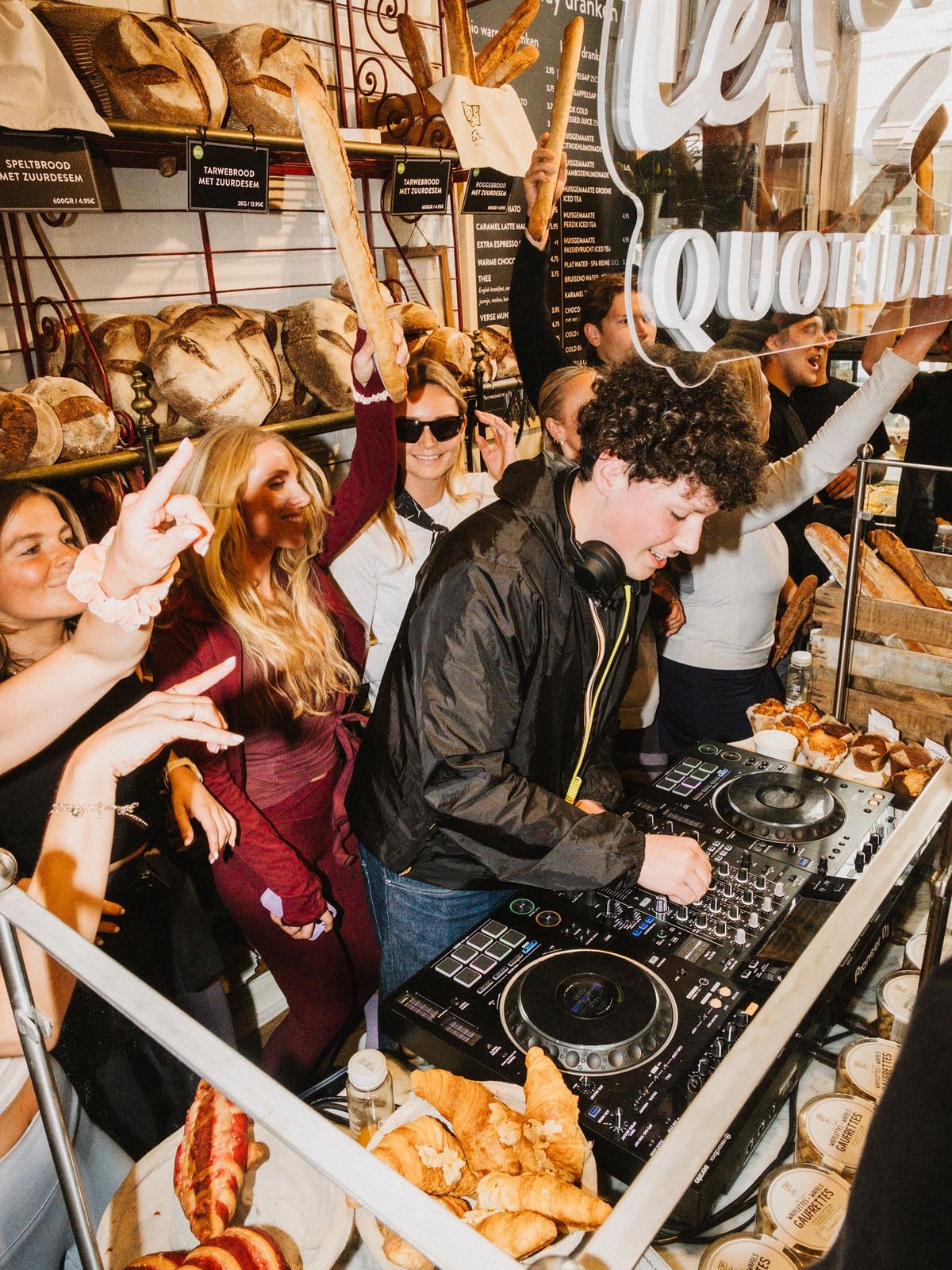
The coffee party is the most significant hospitality format shift in corporate events for 2026. Pioneered by experiential brands like Ralph's Coffee (Ralph Lauren) and Soluna, the concept replaces the traditional cocktail reception with a daytime-friendly, energy-driven gathering centered around artisanal coffee, pastries, and DJ-driven atmosphere.
For corporate clients, the coffee party format solves several problems simultaneously. It works for morning and afternoon programming when alcohol is not appropriate. It appeals to the growing number of attendees who prefer non-alcoholic social settings (according to IWSR Drinks Market Analysis, the no-alcohol and low-alcohol beverage market grew 7% in 2023). And it creates a high-energy, social atmosphere without the formality of a sit-down meal.
The coffee party execution combines a specialty barista station (latte art, custom flavour syrups, branded cups), a curated pastry display (oversized croissants, macarons, artisanal baked goods), ambient or live DJ, and a photo-friendly environment. The setup cost typically runs 30% to 40% less than a full cocktail reception while delivering comparable guest engagement. For corporate holiday parties, product launches, and team appreciation events, this format is rapidly gaining ground.
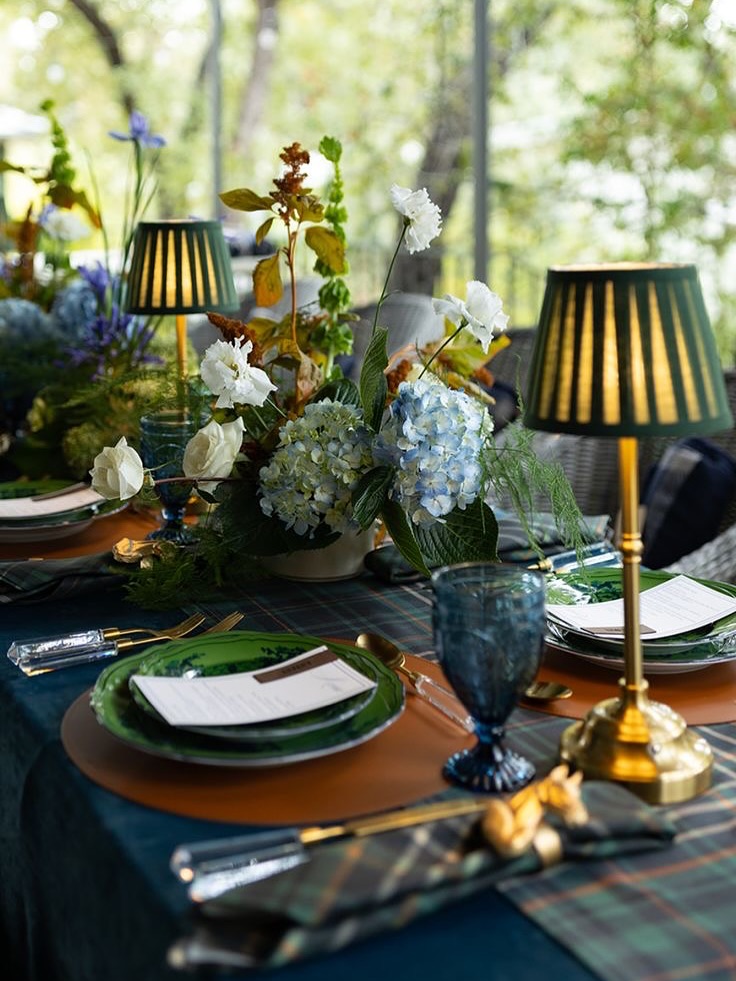
Mini table lamps are the most talked-about decor detail in corporate event design for 2026. Borrowed from fine dining restaurants and luxury hotels that have made the switch (including Soho House properties, The Ned, and numerous Michelin-starred restaurants), battery-operated table lamps create an intimate, warm glow that candles cannot match.
The practical advantages are significant. Unlike candles, lamps do not require venue fire safety approvals or open flame permits, which saves planning time and eliminates a common venue restriction. They provide consistent, adjustable light throughout the evening rather than dimming as wax melts. They do not produce smoke or soot that can affect food presentation. And they create a premium, residential feel that makes corporate dining events feel more like an exclusive restaurant experience.
Cordless LED table lamps from brands like Zafferano and Neoz have become the standard in the hospitality industry, with rechargeable batteries lasting 8 to 12 hours on a single charge. Event rental companies in Toronto now stock these in multiple styles and finishes, making them accessible for events of all sizes. A table lamp rental typically costs $15 to $35 per unit, compared to $8 to $20 for a candle arrangement, but the visual impact and practical benefits more than justify the premium.

Foodertainment is food service designed to be watched, photographed, and participated in. It transforms catering from a passive service into an active entertainment element. The trend draws directly from viral food experiences in the restaurant and hospitality world: tiramisu bars, butter sculpture stations, interactive dessert windows, live pasta-making, and theatrical food presentations.
The most effective foodertainment activations in corporate events share three characteristics. First, they involve visible craftsmanship: a chef preparing something in real time, an artist sculpting with edible materials, or a bartender performing a dramatic pour. Second, they create a gathering point where guests cluster, converse, and share the experience. Third, they produce a shareable moment: something visually striking enough that guests want to capture and post it.
A tiramisu bar where a server assembles custom portions tableside, a giant butter sculpture that doubles as a communal serving piece, or a gelato window modeled after a European street shop are all examples that deliver on all three criteria. According to our internal data at The Idea Hunter, proposals that include at least one foodertainment element have a 28% higher close rate than those with traditional catering only, and client feedback scores for food satisfaction are 35% higher when experiential elements are included.
“The best food moment at a corporate event in 2026 is not something guests eat. It is something they experience. When catering becomes entertainment, you have doubled the value of every dollar spent on food and beverage.”- Hailey Dawood, Chief Huntress, The Idea Hunter
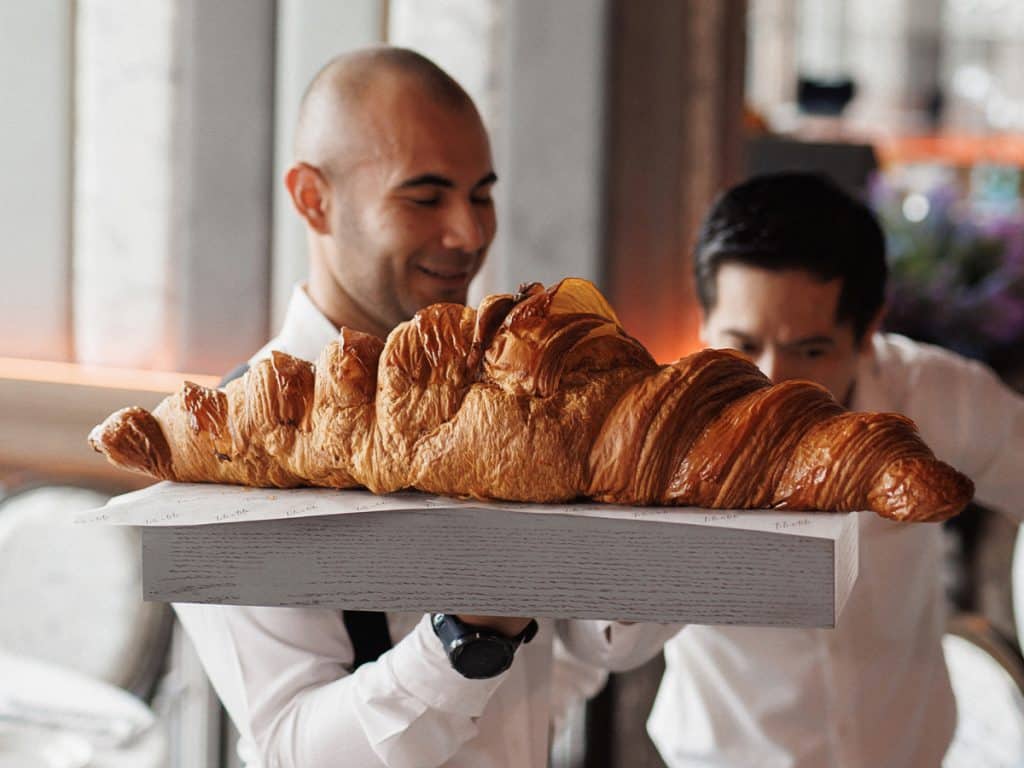
The post-pandemic travel boom has fundamentally changed what corporate attendees consider "impressive" hospitality. Guests who have experienced immersive dining in Tokyo, artisanal cocktail culture in Mexico City, or Michelin-level service in Paris bring those reference points to every corporate event they attend. The bar for hospitality has risen across the board.
This means corporate events need to borrow from restaurant and hotel design: thoughtful plating on interesting dishware, service choreography that creates moments of surprise, and beverage programs that tell a story. A cocktail menu that references the event theme, a wine pairing that is introduced by a sommelier, or a dessert course that arrives with a theatrical element (a smoking cloche, a tableside flambe, a personalized sugar art piece) are all ways to meet the elevated expectations of 2026 attendees.
Food that performs still has to be produced. Sightlines so guests can watch the craftsmanship, power and water where the station needs them, and staffing matched to throughput are what separate a foodertainment moment from a queue. That production work sits alongside the creative in The Idea Hunter's live entertainment service. For worked examples, see our case studies for Insulate America and a large publicly traded financial institution, or read our 10 food entertainment ideas.
A full coffee party activation for 150 to 300 guests (barista station, pastry display, DJ, branded cups, photo-friendly setup) typically runs $8,000 to $15,000. A comparable cocktail reception with open bar, passed canapes, and ambient entertainment runs $12,000 to $25,000 for the same guest count. The coffee party delivers 30% to 40% savings while maintaining high energy and engagement.
Absolutely. Foodertainment scales to any formality level. For formal galas, think tableside preparation by a chef in whites, a wine-pairing narration by a sommelier, or a dessert course with a theatrical reveal. The key is matching the activation to the tone. A butter sculpture station fits a playful holiday party. A tableside flambe fits a black-tie gala.



The Idea Hunter stands as an award-winning, premier source for corporate entertainment, interactive experiences and event management.