Corporate Christmas Party Ideas for 2026: 16 Ideas Your Team Will Actually Remember
Read More


Brand strategy, corporate culture, and shifting human behaviour are the fifth influence shaping corporate event themes in 2026, and this category determines something more fundamental than decor or entertainment. It determines purpose, messaging, and where event investment delivers the highest return. At the same time, the classic corporate event themes that have dominated corporate calendars for the past decade are due for an upgrade. At The Idea Hunter, we have been tracking both of these shifts, because the intersection of business intent and creative execution is where the most impactful events live. The companies investing in events strategically (not just aesthetically) are seeing 3x to 5x higher engagement and ROI than those treating events as a line item rather than a brand moment.
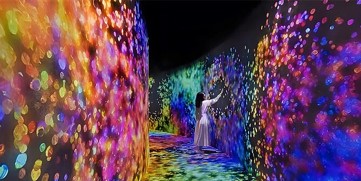
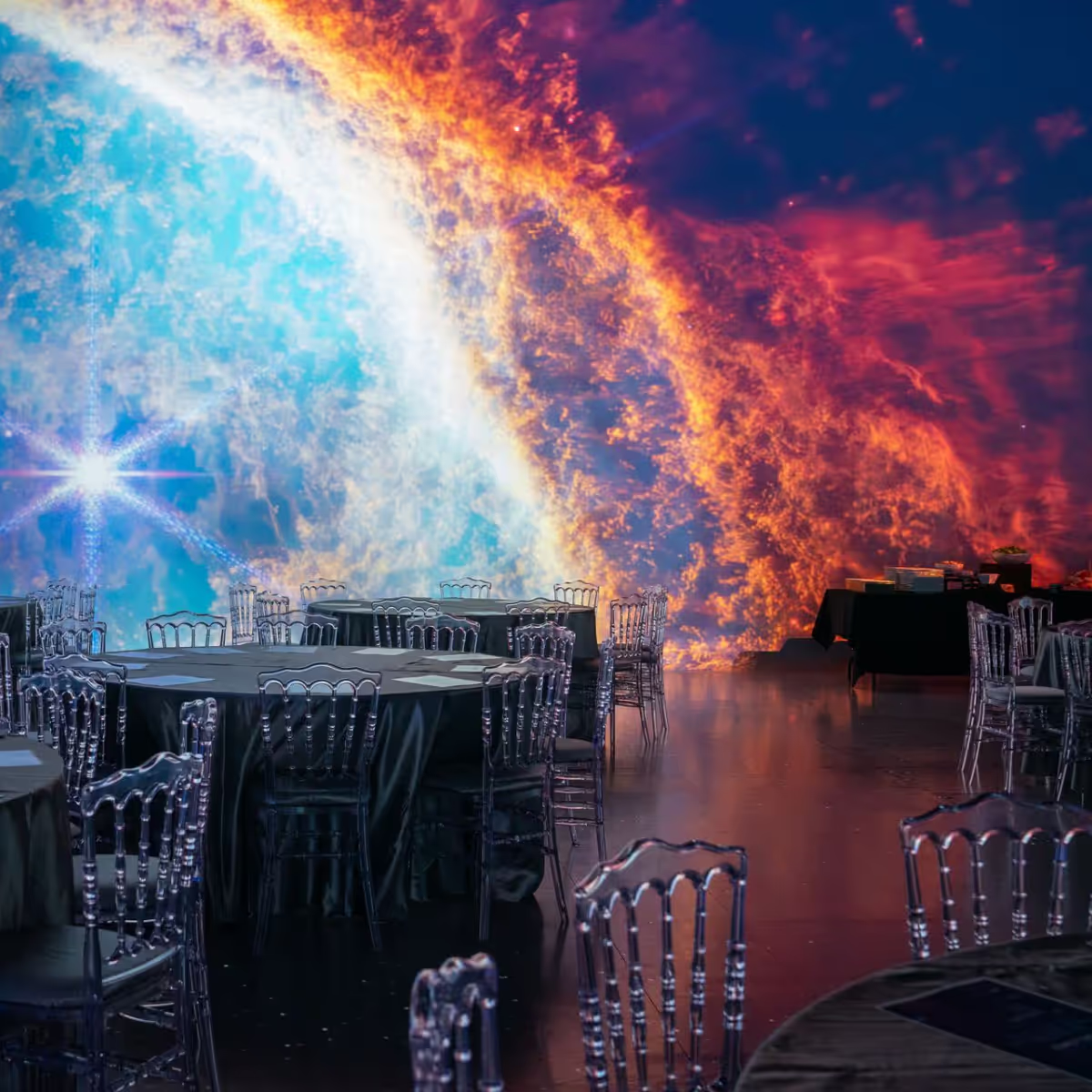
The quiet room is one of the most underutilized opportunities in corporate event design for 2026. Originally conceived as a wellness or decompression space at large conferences, the quiet room has evolved into an immersive experience in its own right. When done well, it becomes one of the most memorable and talked-about elements of the entire event.
The 2026 version of the quiet room is not a dim corner with bean bags. It is an intentionally designed sensory environment: think immersive light installations, ambient soundscapes, gentle aromatherapy, and interactive digital art. TeamLab-style projections, fibre optic curtains, colour-changing LED environments, and spatial audio create spaces that guests seek out not because they need a break, but because the experience is genuinely captivating.
According to the Global Wellness Institute's 2025 report, the wellness economy reached $6.3 trillion globally, and corporate wellness programming is growing at 8.5% annually. Including a quiet room or wellness activation at corporate events signals that a company values employee and guest wellbeing, which is increasingly important for employer branding and client perception. For event planners, the quiet room is also a practical win: it reduces congestion in the main event space, gives introverted guests a high-quality alternative to the main floor, and creates an additional photo and social media moment.
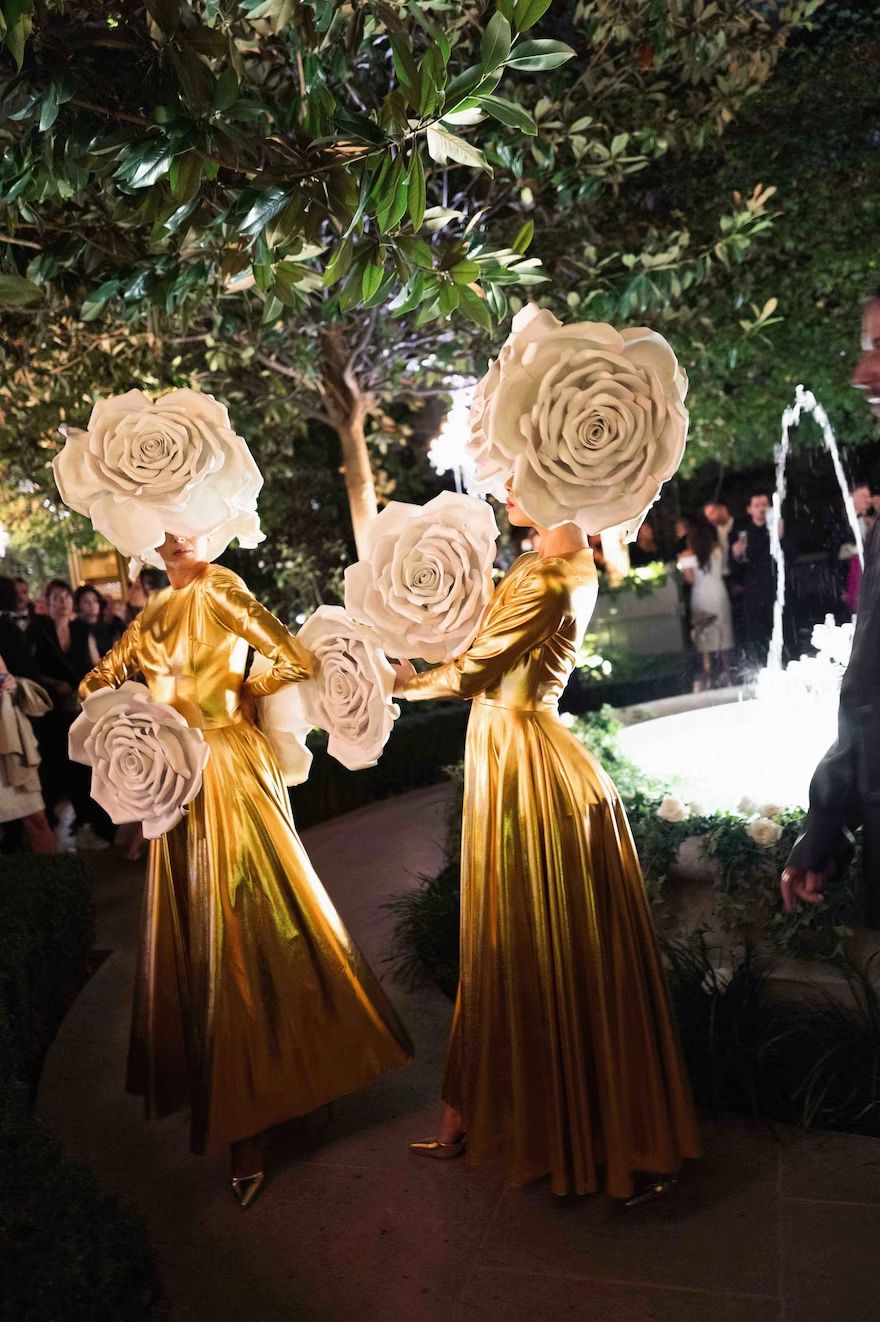
Every event planner has been asked for a Casino Night, a Winter Wonderland, or a Hollywood Glam theme. These themes are not dead, but they need a 2026 update. The original versions feel dated because they rely on surface-level decoration rather than experiential design. The evolved versions maintain the emotional appeal of the classic theme while layering in the interactivity, design sophistication, and cultural relevance that 2026 attendees expect.
Here is how the classic themes translate for 2026:
| Classic Theme | 2026 Evolution | What It Looks Like |
|---|---|---|
| 1920s Gatsby | Bridgerton / Modern Regency Ball | Regency elegance, classical musicians, candlelit long tables, botanical installations |
| Single Decade Party | Multi-Era Remix | Zone the room by decade, nostalgic board games, era-specific activations, temporary tattoo stations |
| Casino Night | Competitive Social Club | Tennis-inspired decor, branded sport activations, wellness recess, competitive but social |
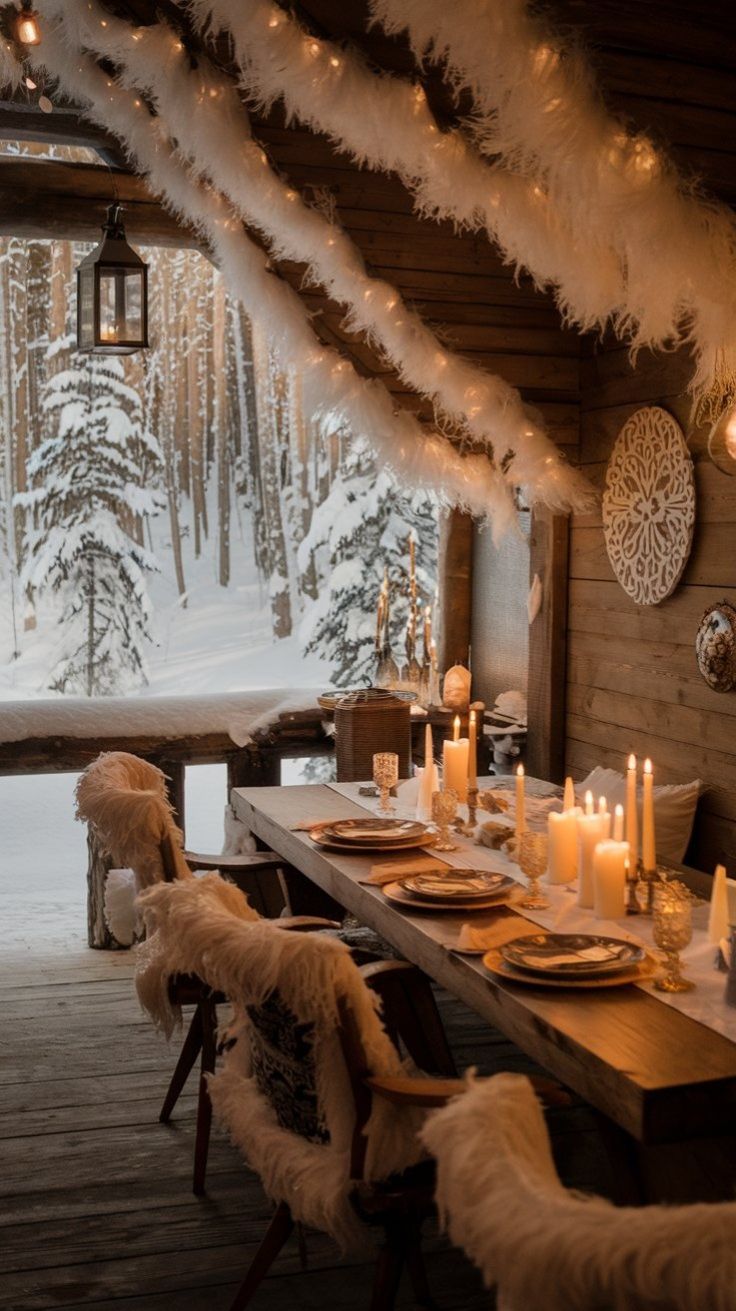
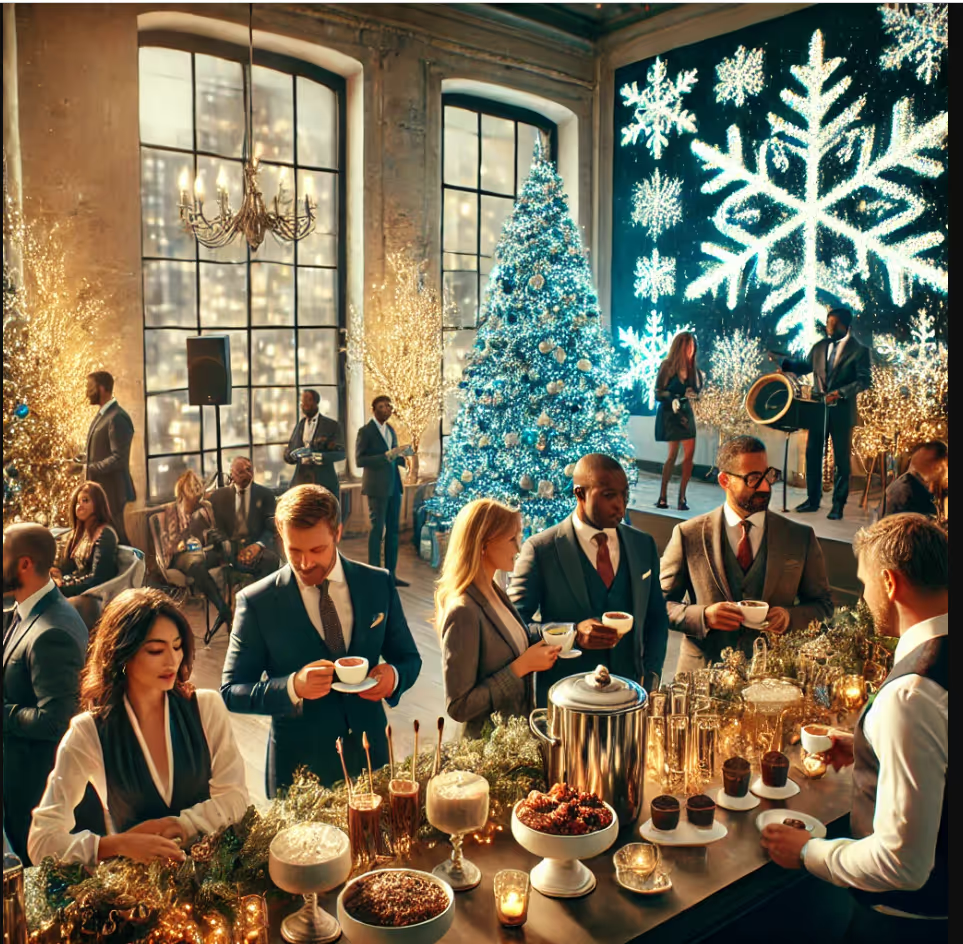
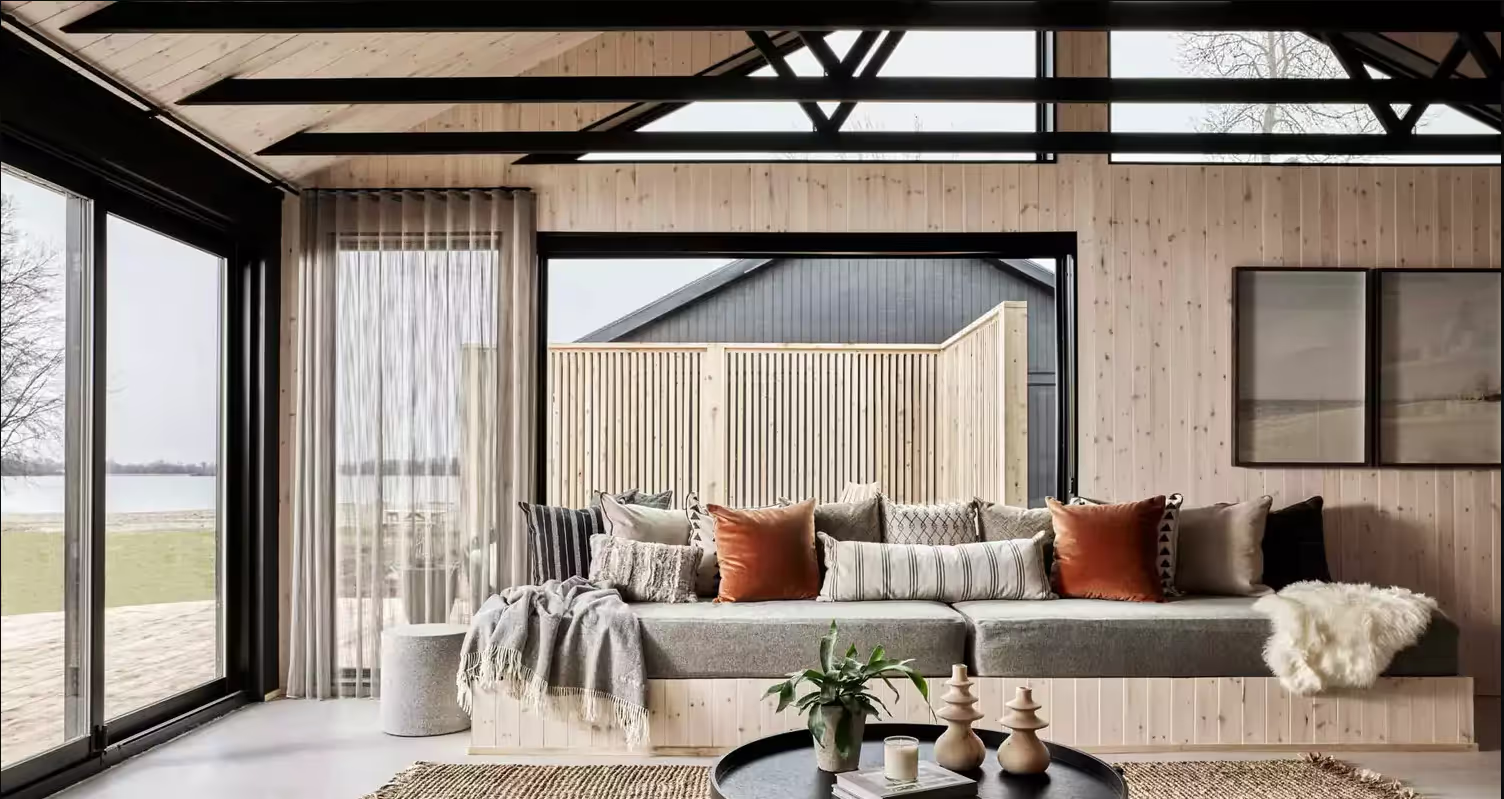
| Winter Wonderland | Apres-Ski Lodge / Nordic Style | Warm textures, fur and wood, candlelight, hygge-inspired lounge zones, hot beverage stations |
| Hollywood Glam | Streaming Premiere / Creator Awards | Iridescent and holographic decor, content creator-style activations, modern red carpet |
| Disco Fever | Future Funk Chrome Disco | Chrome and mirror finishes, LED-integrated performers, futuristic DJ setups, metallic everything |
| Masquerade Ball | Immersive Mystery / Speakeasy | Hidden rooms, dramatic draping, live string performances, interactive cocktail walls |
The most significant behavioural shift in corporate events for 2026 is the move from "event as obligation" to "event as brand moment." Companies that previously viewed holiday parties, team retreats, and client dinners as operational expenses are now treating them as strategic brand investments. This changes everything about how events are planned, budgeted, and measured.
When an event is a brand moment, every touchpoint communicates something intentional about the company's values, culture, and positioning. The venue choice, the food and beverage program, the entertainment, the environmental design, and even the dress code guidance all become expressions of brand identity. According to the Event Marketing Institute's 2025 benchmark report, companies that integrate brand strategy into their event planning process see 47% higher attendee recall of brand messaging and 31% higher post-event NPS scores compared to companies that plan events without explicit brand alignment.
For event planners, this means discovery conversations with clients need to go deeper than "what is your budget and how many guests." Understanding the brand's personality, values, and the specific message this event needs to communicate is essential for designing an experience that delivers strategic value.
“Inspiration is all around you. Your power is in observing, staying curious, and seeing what others might miss. The next great event idea lies in how you translate what you see into something unforgettable.”- Hailey Dawood, Chief Huntress, The Idea Hunter
Choosing the theme is the easy part. Turning a reference board into a room that holds several hundred people is where the work sits, because the creative decision and the production that delivers it have to be made together. For worked examples of that, see our case studies for a large publicly traded financial institution and Schindler Elevator Ltd., or read how the same thinking applies to 2026 decor and aesthetics.
Acknowledge what they love about Casino Night (competition, energy, social interaction) and show how the Competitive Social Club concept delivers the same emotional payoff with a fresher, more memorable execution. Present a side-by-side mood board showing classic Casino Night versus the evolved version. Most clients respond well when they see that the evolution honours what they loved about the original while adding sophistication.
A basic quiet room with ambient lighting, comfortable seating, and a curated soundscape runs $3,000 to $8,000. An immersive quiet room with projection mapping, interactive elements, and spatial audio runs $10,000 to $25,000 depending on the technology. The ROI appears in attendee satisfaction scores and social media impressions, as these spaces consistently generate high engagement.
Track three metrics: attendee recall of key brand messages (via post-event survey), social media impressions and user-generated content from the event, and post-event NPS score. Compare these against your baseline from previous events. Events with intentional brand integration typically see 30% to 50% lifts across all three metrics.



The Idea Hunter stands as an award-winning, premier source for corporate entertainment, interactive experiences and event management.







![Feast Your Eyes: 10 Food Entertainment Ideas [2025 Edition]](https://cdn.prod.website-files.com/669532db0a7004d9853610a3/684c645bb66e8dfe014b7137_Screenshot%202025-06-13%20134253.avif)
![Top 20 Corporate Event Venues in Toronto [2025 Edition]](https://cdn.prod.website-files.com/669532db0a7004d9853610a3/67c9c1f60babbed9463c77cf_Trading%20floor%202.avif)
.avif)

.avif)
.avif)

.avif)