
Corporate Christmas Party Ideas for 2026: 16 Ideas Your Team Will Actually Remember
Read More


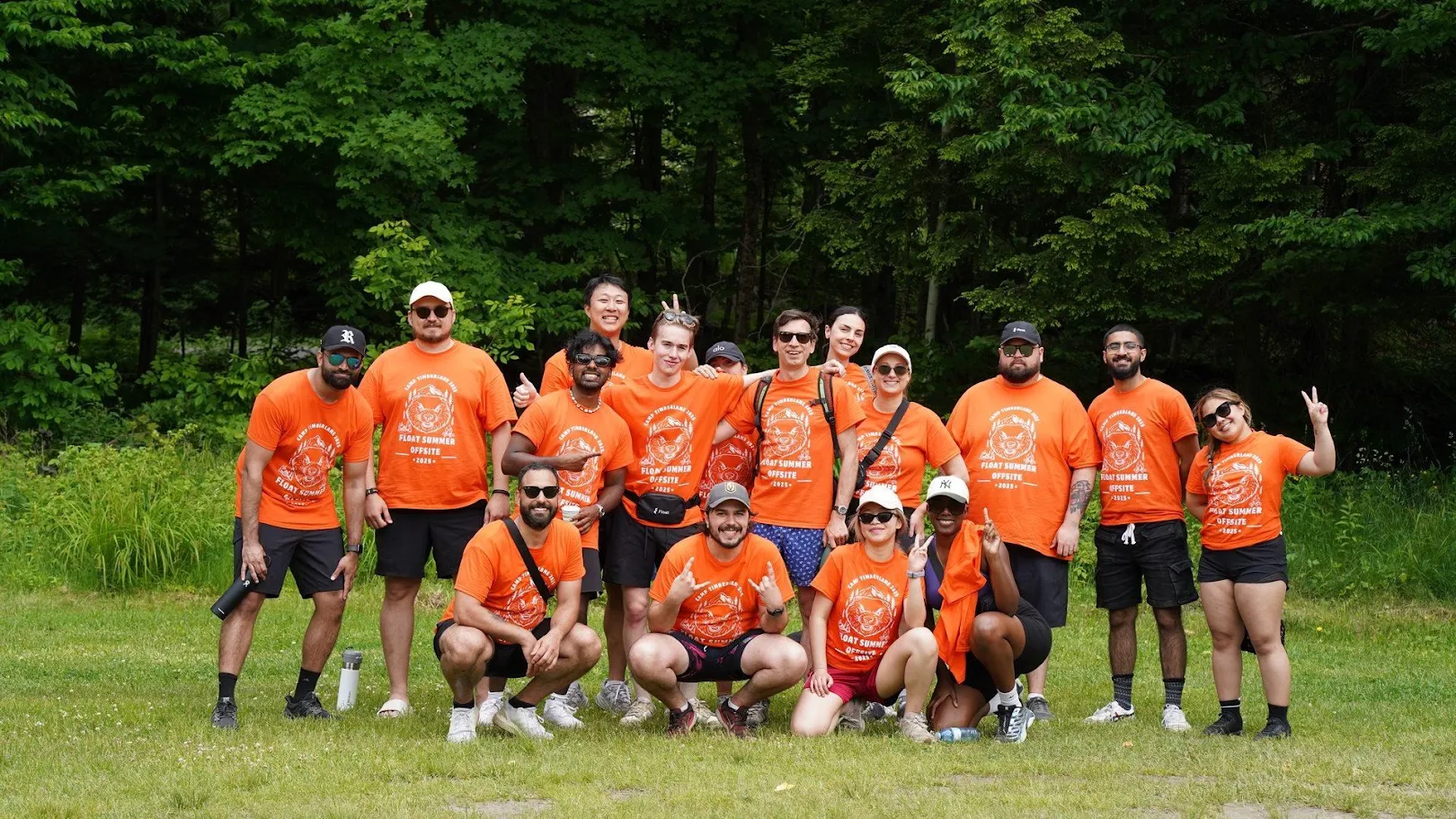
To plan a corporate retreat, decide what the retreat is for, set the headcount and budget, then choose a venue and build an agenda that alternates focused work with shared experiences. A full-service retreat for 15 to 500 people typically needs 4 to 12 months of planning. The reason to do it well is clear in the numbers: only 21% of employees in Canada are engaged at work, against a 31% average for the United States and Canada, according to Gallup's 2026 State of the Global Workplace data for Canada.
A retreat will not fix engagement on its own. A well-planned one gives a team time together that a calendar full of video calls does not. This guide covers each step in order, with a planning timeline, a sample agenda and the team experiences that work best in Ontario.
The Idea Hunter is a Toronto corporate event planning and production company. In more than 23 years we have delivered over 10,000 events, and we plan corporate retreats across Canada from first concept through on-site production.
Companies are investing in retreats because in-person time has become scarce and connection at work is weak. In May 2026, 11.4% of Canadian workers worked exclusively from home and another 9.8% worked a hybrid schedule, according to Statistics Canada's Labour Force Survey. For those teams, a retreat may be one of the few times everyone is in the same room.
Stress is the other driver. Gallup reports that 58% of employees in Canada experienced a lot of stress during the previous day, above the 40% global average. Social time helps. In ADP Canada's July 2026 Happiness@Work Index, 48% of Canadian workers said social events strengthen their relationships with colleagues, and 40% said they create a greater sense of belonging.
Planners see the same trend. Half of meeting professionals expect to hold more internal team meetings in 2026, according to the Amex GBT 2026 Global Meetings and Events Forecast. The report links that growth to reuniting hybrid employees and strengthening culture.
A full-service corporate retreat typically needs 4 to 12 months of planning. Larger groups and busy-season dates need the longer end of that range, and popular venues may need to be secured earlier.
Answer these five questions before you contact a single venue. They narrow the options faster than any search.
The goal of your retreat should be one sentence you can say before you look at a single venue. Leadership alignment, onboarding a fast-growing team, working through a business problem and celebrating a strong year each need a different setting, schedule and set of experiences.
At The Idea Hunter we call this approach Purposeful Play: balance the business reason for the retreat with experiences people want to take part in. The goal decides everything that follows, so settle it first.
"Decide what the retreat is for before you look at a single venue. Once the goal is clear, the agenda and the budget follow."
– Fadi Dawood, President, The Idea Hunter
Group size changes almost every decision. A retreat for 12 executives can fit in an intimate property with one meeting room and a private dining table. A retreat for 150 employees needs several activity areas, a room block, coach transportation, structured breakouts and an on-site production team.
Confirm three numbers early: the total headcount, how many people need overnight rooms and how many will travel together. These drive venue size, transportation and catering. The Idea Hunter plans retreats for teams of 15 to 500 people.
The cost of a corporate retreat in Ontario depends on headcount, length, location and how much is included. Full-service retreat planning at The Idea Hunter starts at $30,000. Teams that already have the venue and logistics handled can book experience-only support, with entertainment packages starting at $5,000.
Plan for costs to rise. In the Amex GBT 2026 Forecast, 71% of meeting professionals expect cost increases, and cost was the top planning challenge at 38%. Build your budget by category so you can see the trade-offs:
A bigger budget does not guarantee a better retreat. If the venue takes most of the money, there is little left for the experiences people will remember. Spend in line with the goal from Step 1.
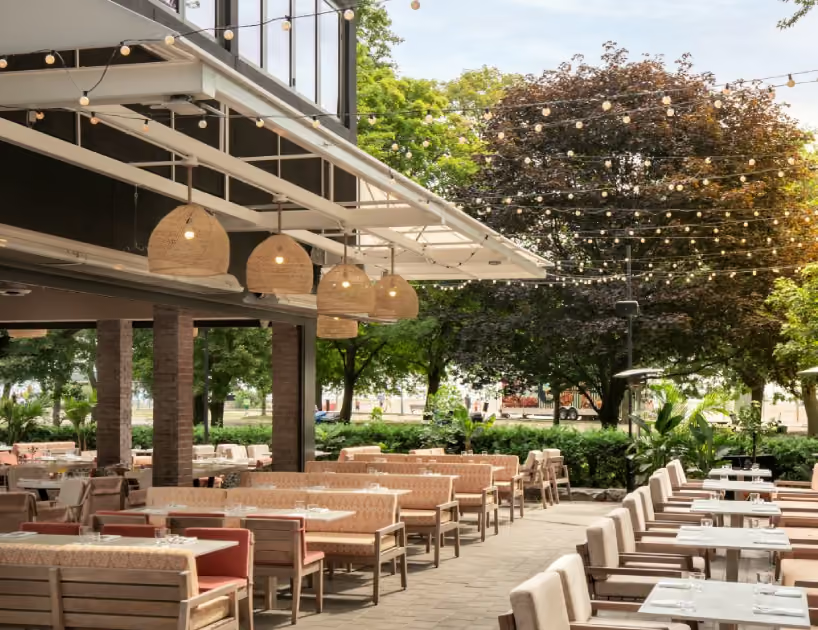
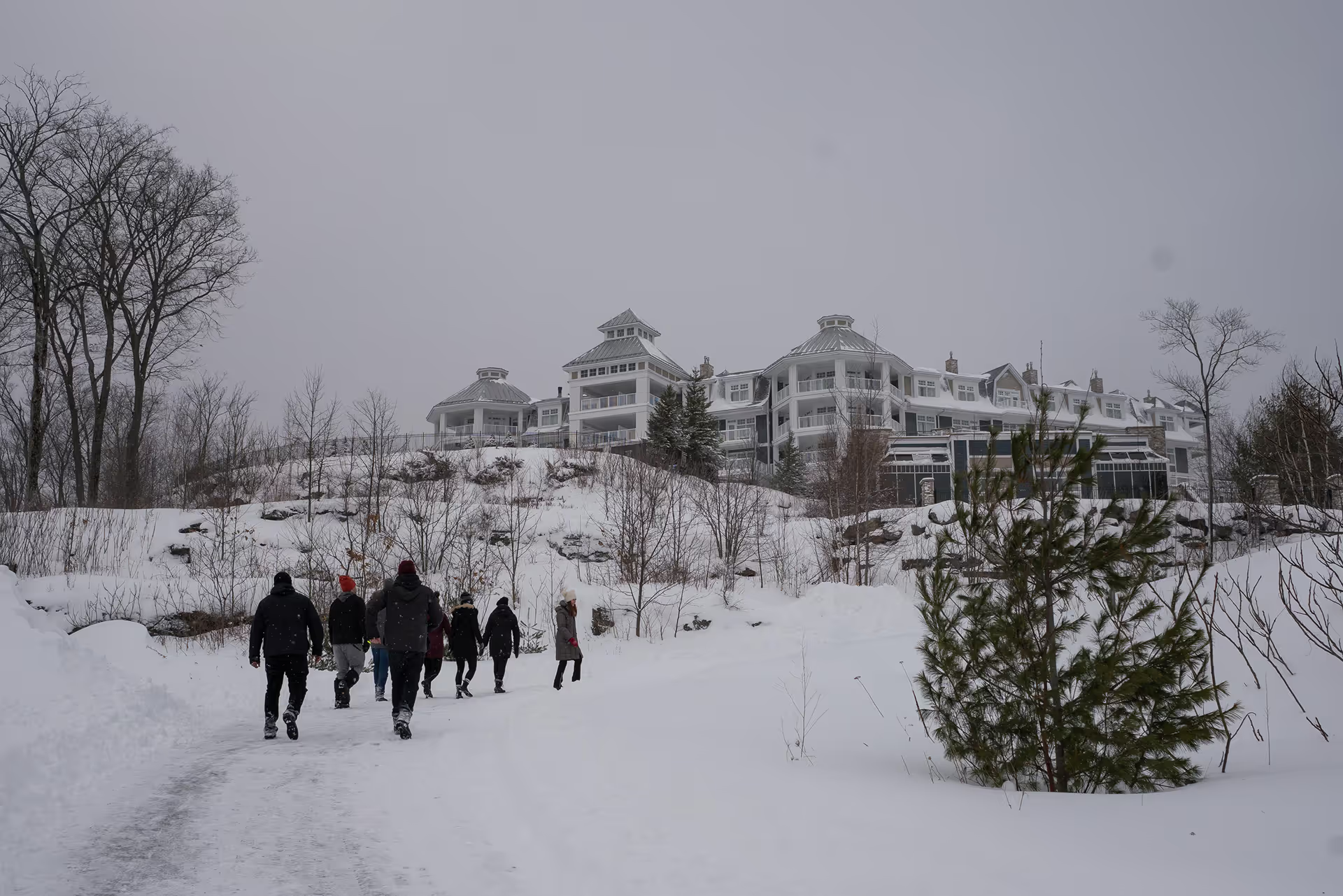
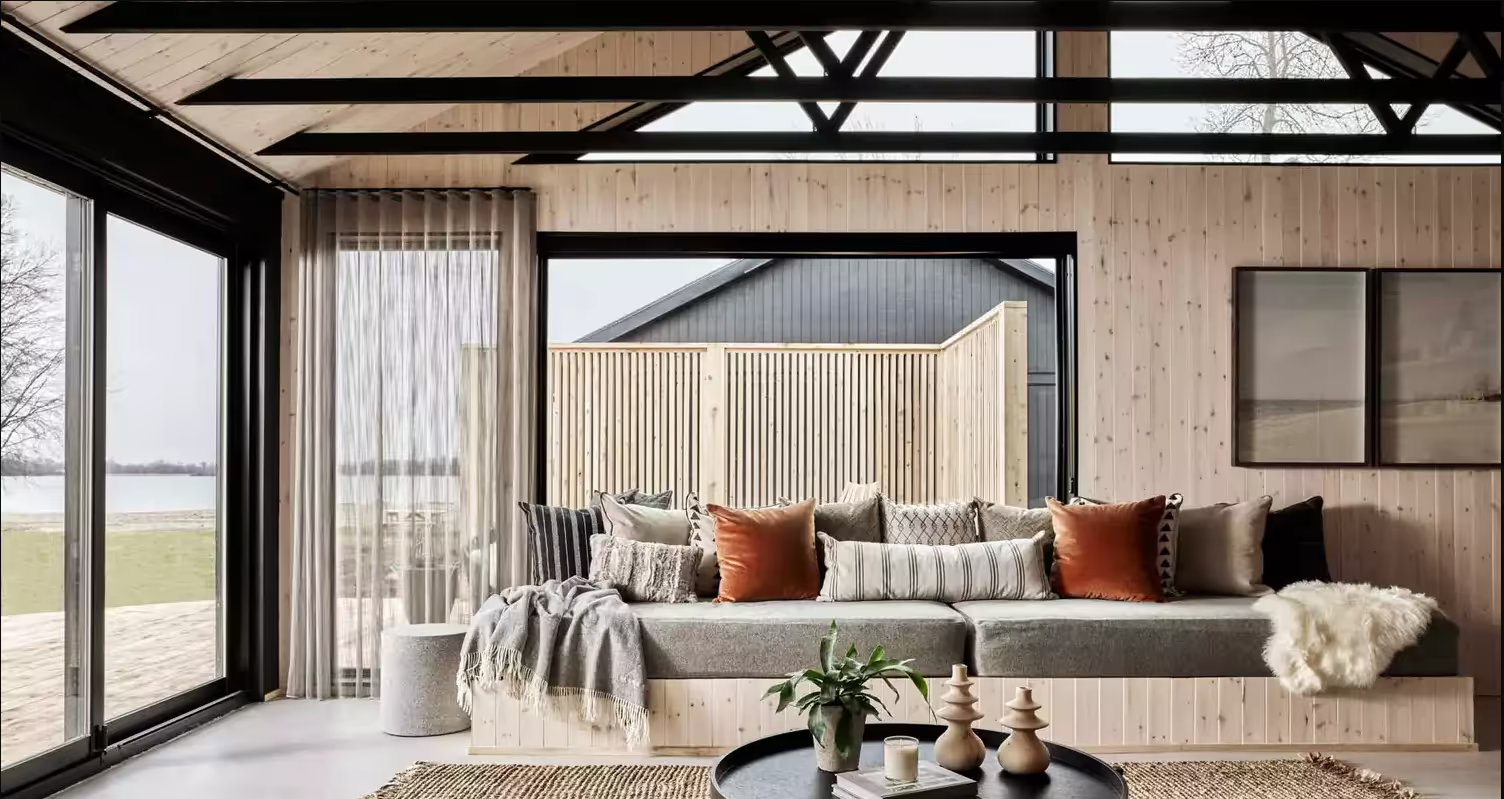
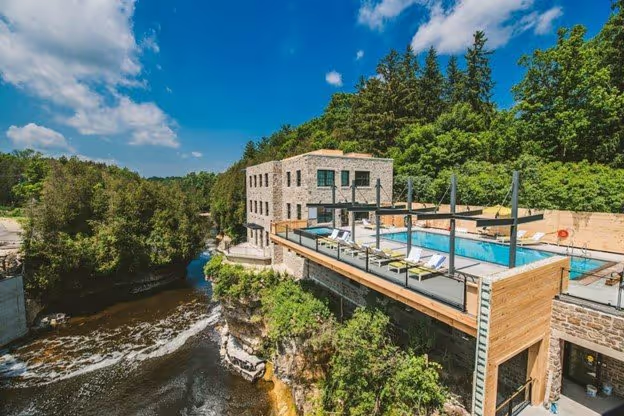
Hold your retreat somewhere that supports the goal and is easy for your team to reach. Ontario regions to consider include Muskoka, Prince Edward County, Blue Mountain, Niagara-on-the-Lake and Elora. Our guide to corporate retreat locations in Ontario covers them in detail.
Before you sign, check that the venue has:
Decide early on single or shared rooms, because it changes both the room count and the budget. Also check check-in and check-out times against your agenda so the first and last sessions are not lost to luggage.
Build the agenda so focused work and shared experiences alternate, with open time between them. A schedule packed from 8 a.m. to 9 p.m. leaves no room for the informal conversations that often matter most, over breakfast, on a walk or around a fire pit in the evening.
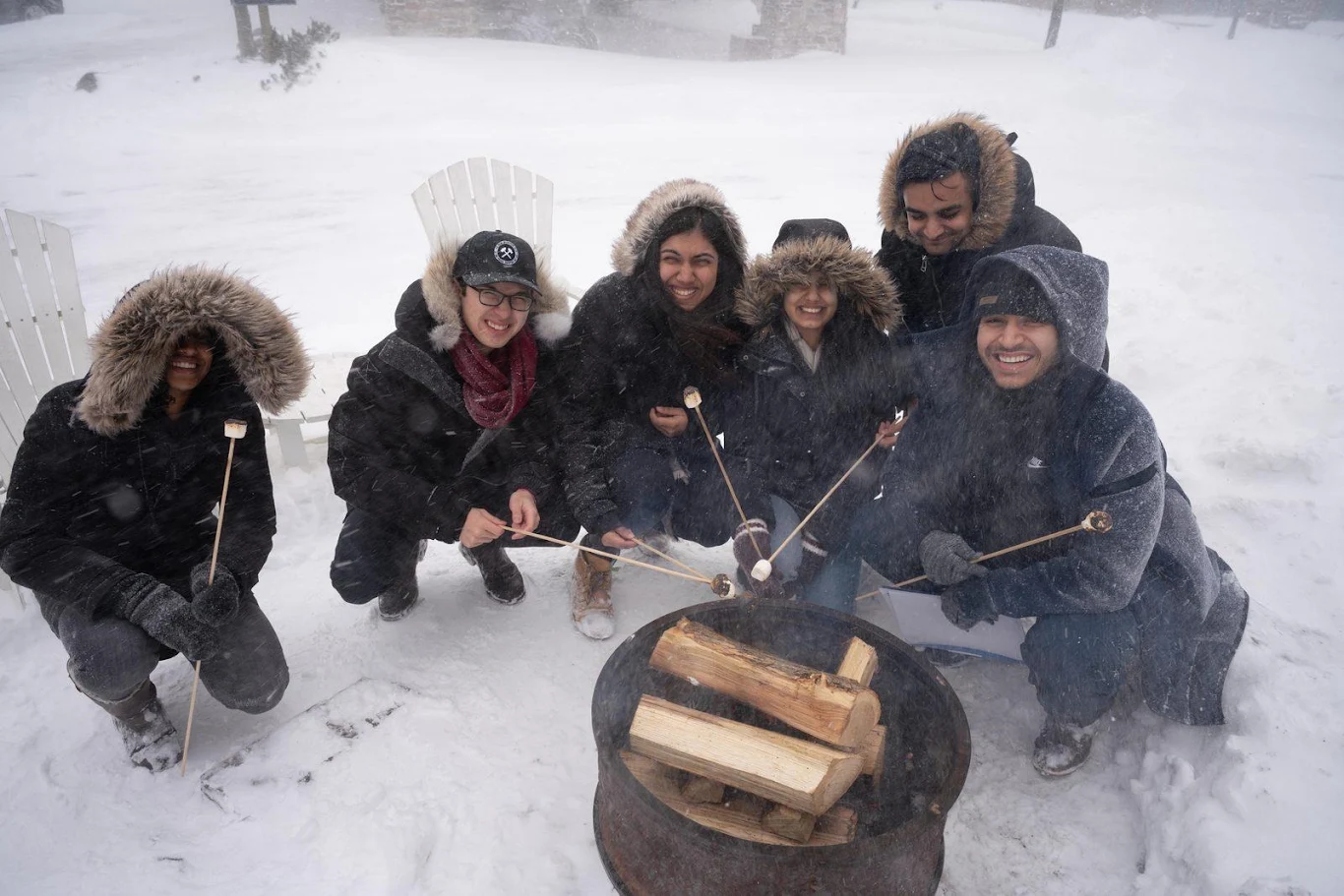
For an executive retreat, take the strategy out of the boardroom. Break long sessions into smaller conversations, use a creative challenge to look at a business problem and give people time to reflect before the group comes back together.
The best retreat activities give people a shared goal and room to talk while they work toward it. The table below shows team experiences The Idea Hunter runs across Ontario, with the details you need to plan around.
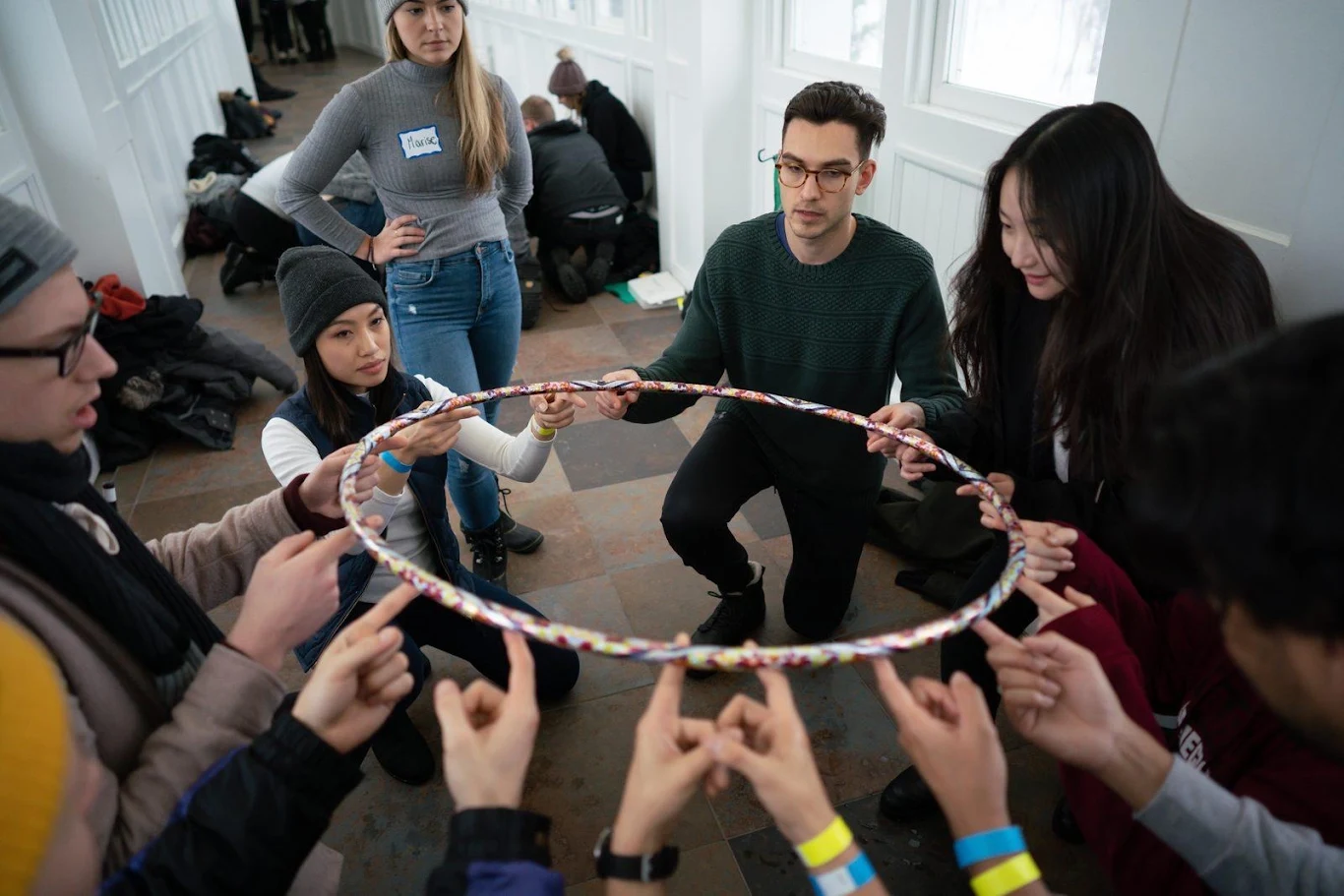
Wellness options give people a break between sessions. Two that work well are a chair massage station, with two therapists available for five and a half hours, and puppy yoga, a yoga class with puppies moving from mat to mat.
Make activities optional where you can. Not everyone can paddle a dragon boat or wants to throw an axe, and offering a choice keeps everyone involved. For more formats by region, see our corporate retreat ideas in Ontario.
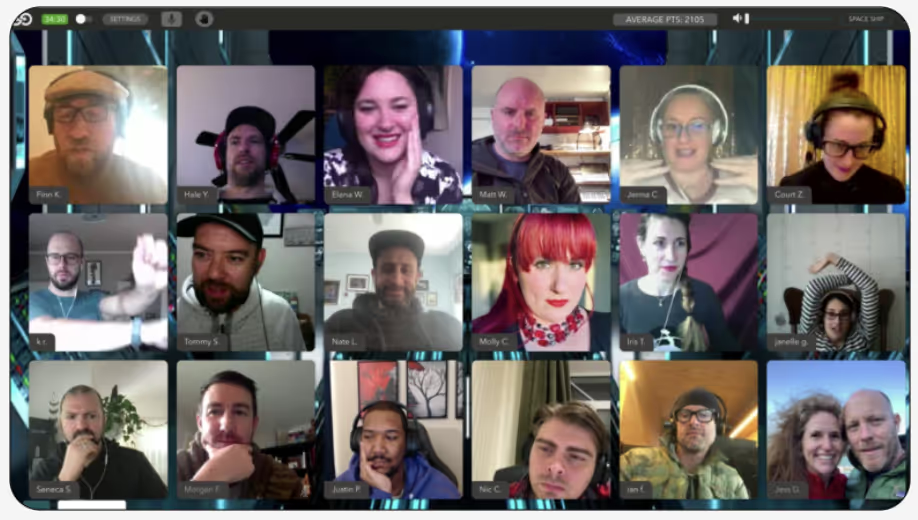
Plan a retreat for a remote or hybrid team around connection first, because that is what the team cannot get online. Gallup's global data shows 24% of fully remote and hybrid employees feel lonely on a given day, compared with 18% of on-site employees in remote-capable jobs. In an Angus Reid Institute survey from July 2025, 30% of Canadians who have worked from home said they had felt disconnection and loneliness.
As facilitator and author Priya Parker told Charter, "Offsites are a wonderful antidote for particularly fully virtual, fully remote teams."
Timing matters too. Atlassian's internal research found team gatherings raised connection scores by an average of 27%, but the effect faded after about four months. Atlassian concluded that roughly three gatherings a year was the right rhythm for its own teams.
For distributed teams, give more of the agenda to shared experiences, cover travel for people coming from other cities and plan a short follow-up online for anyone who could not attend.
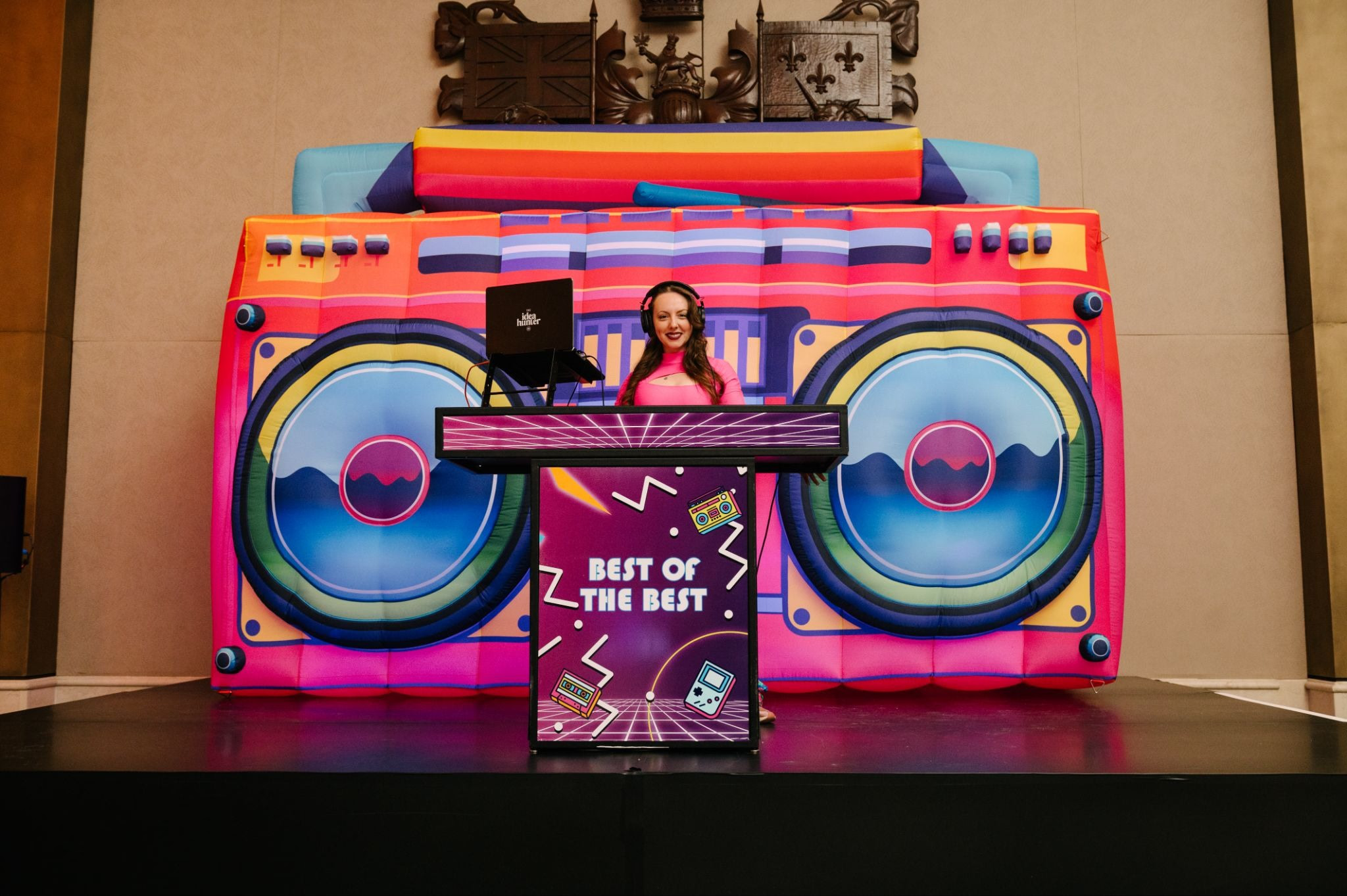
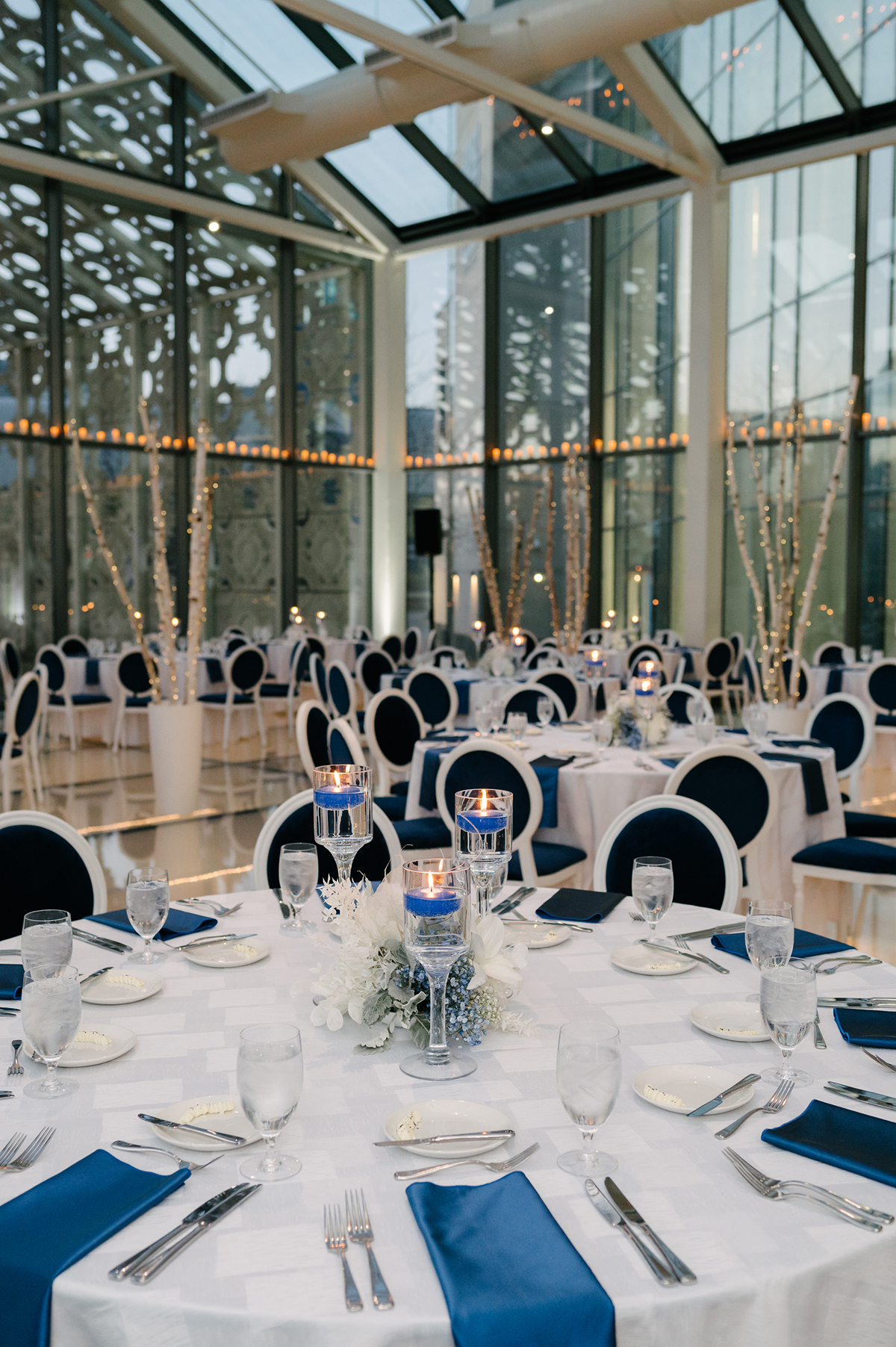
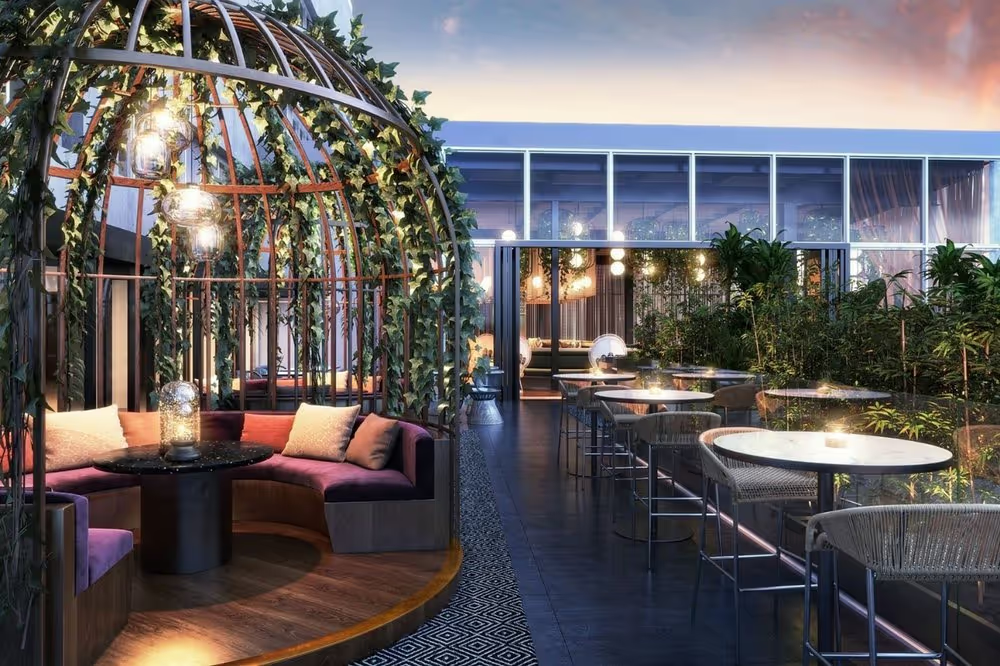
Plan the evening with the same care as the working sessions. The evening can become the part everyone talks about on the drive home.
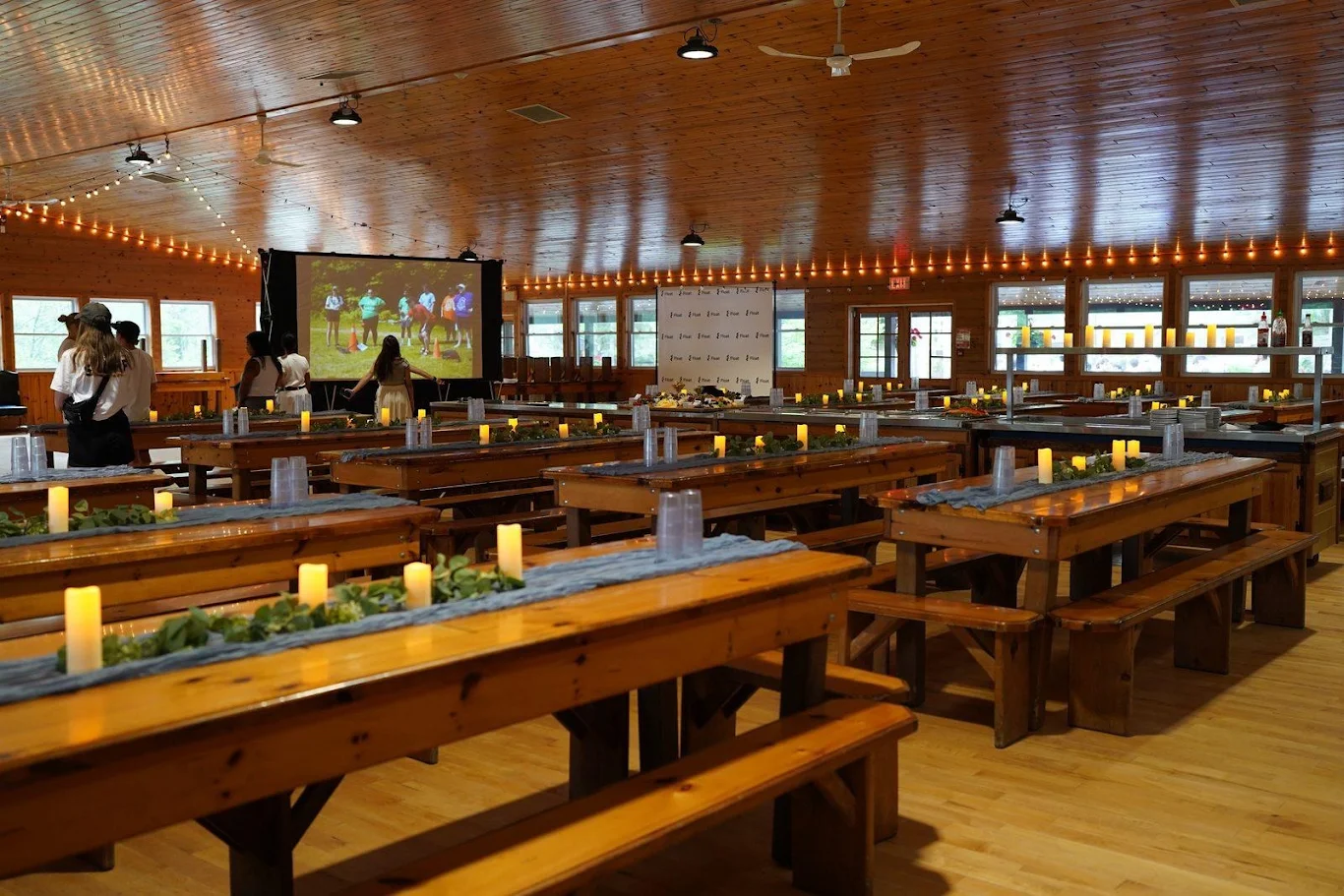
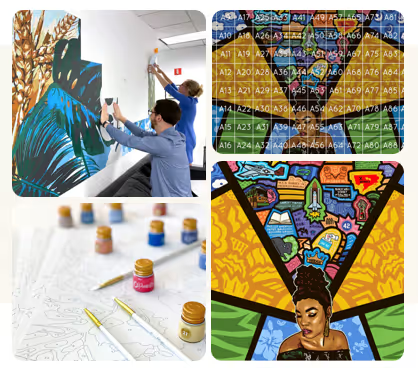
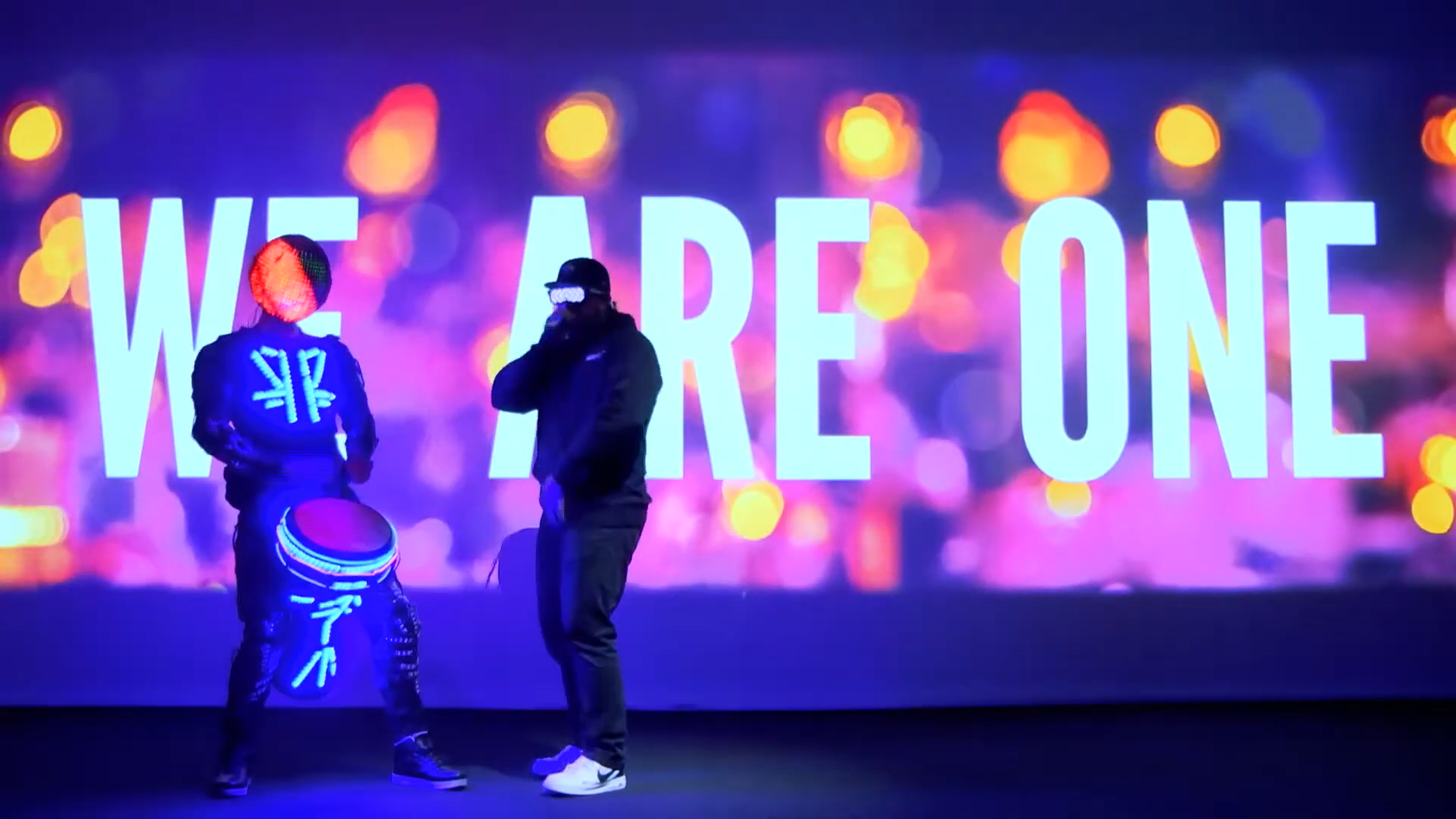
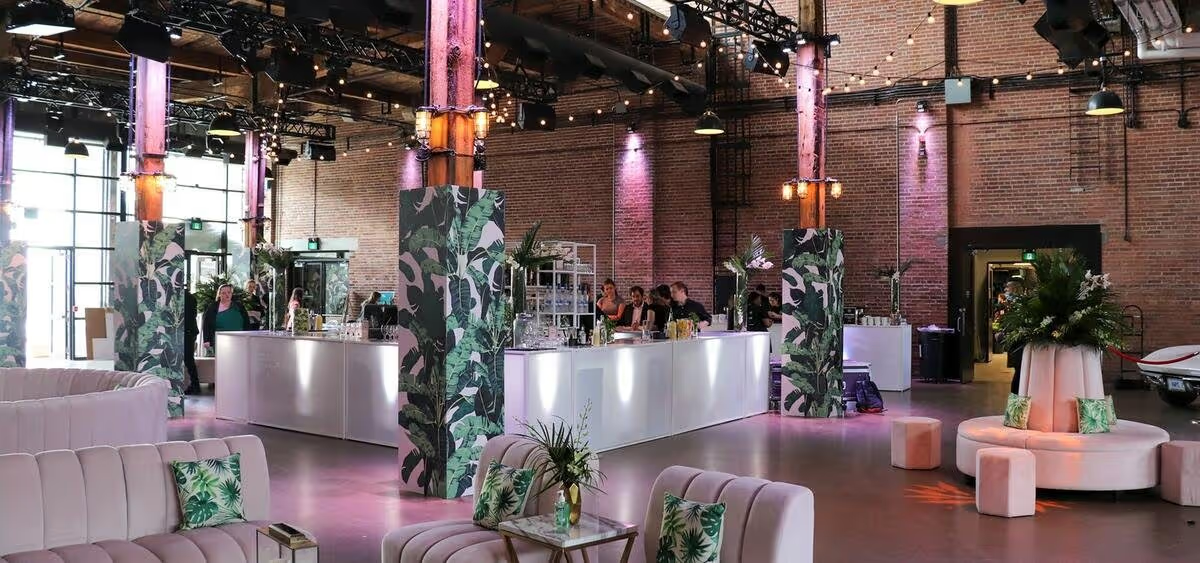
Connect the food, entertainment, decor and lighting to the retreat's goal so the night feels like part of the same experience. A Glow Mural is one example: the wall looks ordinary under regular light, then black lights reveal it as the artist adds neon detail through the evening. By the end of the night it is a full glow-in-the-dark installation. Relaxed acoustic music suits a fireside evening. Our interactive experiences cover more options.
Plan one moment nobody sees coming. It does not need to be large. A transformed dinner room, a surprise performer or a recognition moment for someone who has quietly carried the team can be what people remember six months later.
"People remember how a retreat felt. Plan one moment in the evening that nobody expects, and make sure it says something about your company."– Hailey Dawood, Chief Huntress, The Idea Hunter
Make the retreat feel like your company by building it around your own people, history and culture. Ask a simple test question: could another company attend the same retreat and have the same experience? If the answer is yes, make it more personal.
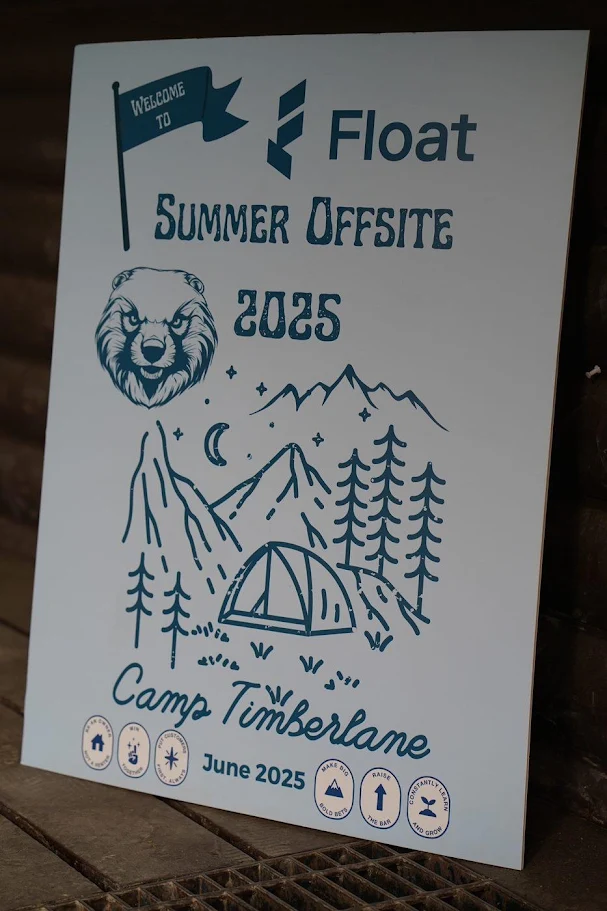
Celebrate milestones from the past year. Recognize the people who made a difference. Use your own stories in the sessions and build activities around your values. Tree of Hope, for example, can tie the retreat to the communities where your teams live and work.
Plan it yourself if the retreat is small, local and simple. Hire a corporate retreat planner when you have more than a few dozen people, overnight stays, transportation or several vendors to manage. Planning a retreat on top of a full-time job is a second job.
The Idea Hunter's corporate retreat planning service covers destination and venue sourcing, itinerary design, team experiences, logistics, on-site production and a post-event debrief. For how to compare planners, read our 2026 buyer's guide to choosing a corporate event planner in Canada.
After the retreat, turn what was decided into commitments with owners and dates, and survey attendees within two weeks. Executive coaches Marissa Fernandez and Frans van Loef make the same point in Harvard Business Review: lasting change has to be designed into the offsite from the start. They suggest closing with a few clear commitments, tracking progress each quarter and naming a champion for each one.
Few organizations measure this well. Only 24% of meeting professionals include return-on-investment metrics in their meetings policy, according to the Amex GBT 2026 Forecast. In Cvent's 2026 planner research, 63% of planners named attendee engagement as their main measure of success. A short post-retreat survey and a quarterly check-in on commitments are a practical place to start.
Months later, nobody will remember every item on the itinerary. They will remember the conversation that changed their thinking, the activity that made everyone laugh, the dinner that ran long and the moment nobody expected.
Once you have a goal, a rough headcount and a date range, the next step is a plan with real numbers. Share the basics with our corporate retreat team. After a discovery call, we send initial ideas and a ballpark budget within three to five business days.
Plan a full-service corporate retreat 4 to 12 months in advance. Large groups, overnight stays and busy-season dates need the longer end, because starting early gives you more choice of venues and room blocks.
Cost depends on headcount, length, location and what is included. Full-service retreat planning at The Idea Hunter starts at $30,000, and experience-only entertainment packages start at $5,000. Build the budget by category: venue and rooms, food, transportation, experiences, production and planning.
Match the length to the goal. A single day near the office works for a focused working session. One or two nights gives a team time for both work and connection, and adds accommodation and transportation to the plan.
Choose activities that split a large group into teams. Dragon Boat Racing runs for up to 100 people in teams of 15 to 20, and The Chocolate Challenge runs as a 60-minute team competition. Offer an optional, lower-energy choice alongside any physical activity.
Put connection first. Give more of the agenda to shared experiences, cover travel for people coming from other cities and plan an online follow-up. Atlassian's research suggests the boost from a gathering fades after about four months, so plan the next one.
You need a planner when the retreat involves overnight stays, transportation, more than a few dozen people or several vendors. The Idea Hunter's corporate retreat team manages venue sourcing, itinerary, experiences, logistics and on-site production for groups of 15 to 500.



The Idea Hunter stands as an award-winning, premier source for corporate entertainment, interactive experiences and event management.














![Feast Your Eyes: 10 Food Entertainment Ideas [2025 Edition]](https://cdn.prod.website-files.com/669532db0a7004d9853610a3/684c645bb66e8dfe014b7137_Screenshot%202025-06-13%20134253.avif)
![Top 20 Corporate Event Venues in Toronto [2025 Edition]](https://cdn.prod.website-files.com/669532db0a7004d9853610a3/67c9c1f60babbed9463c77cf_Trading%20floor%202.avif)



.avif)






.avif)
.avif)

.avif)